Nepal Trekking Seasons: Month-by-Month Guide
Finding Your Perfect Trekking Season
Nepal offers trekking almost year-round, but conditions vary dramatically by season. Understanding the weather patterns will help you choose the best time for your specific trek.
Autumn (September-November) — Peak Season
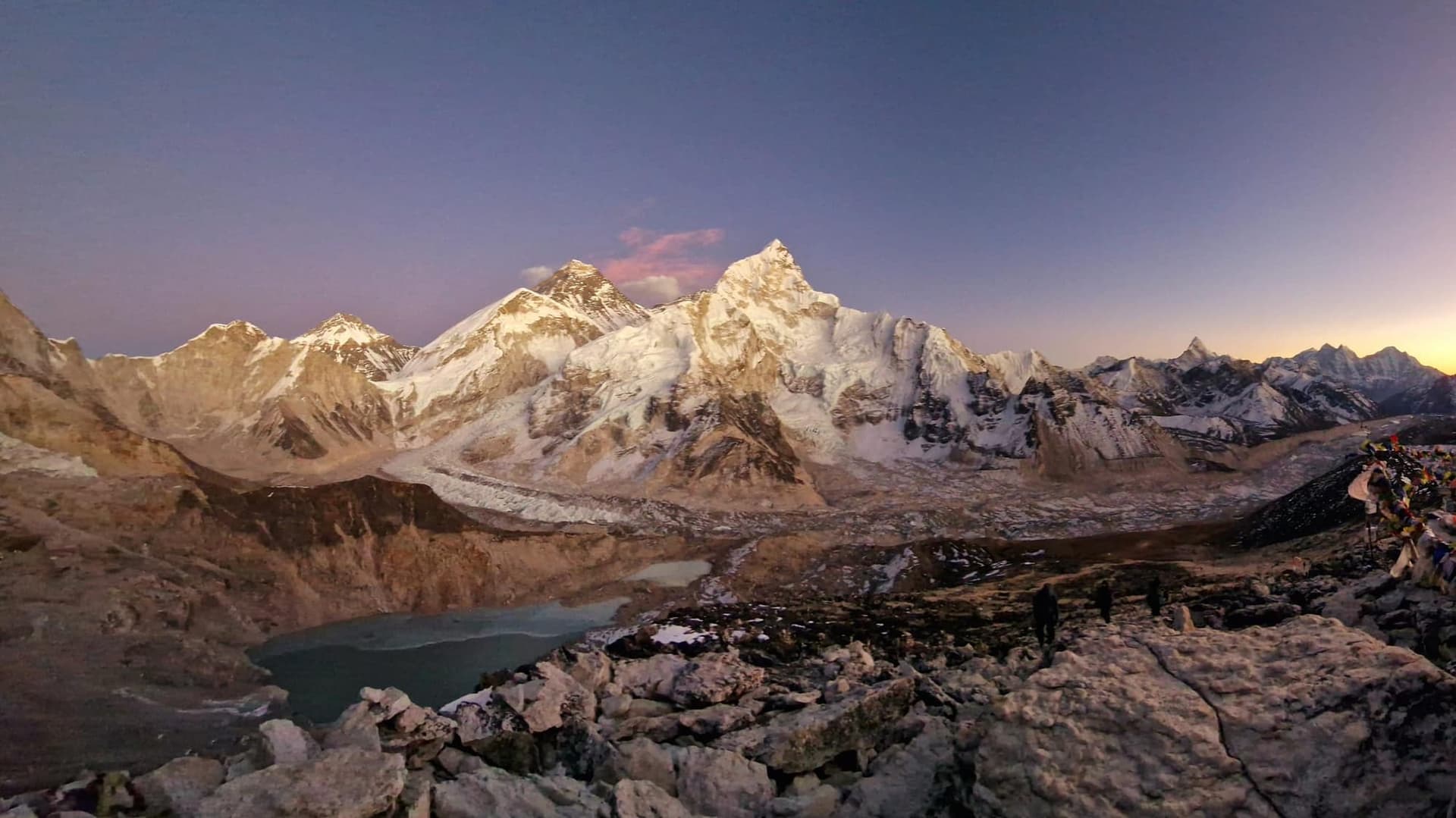
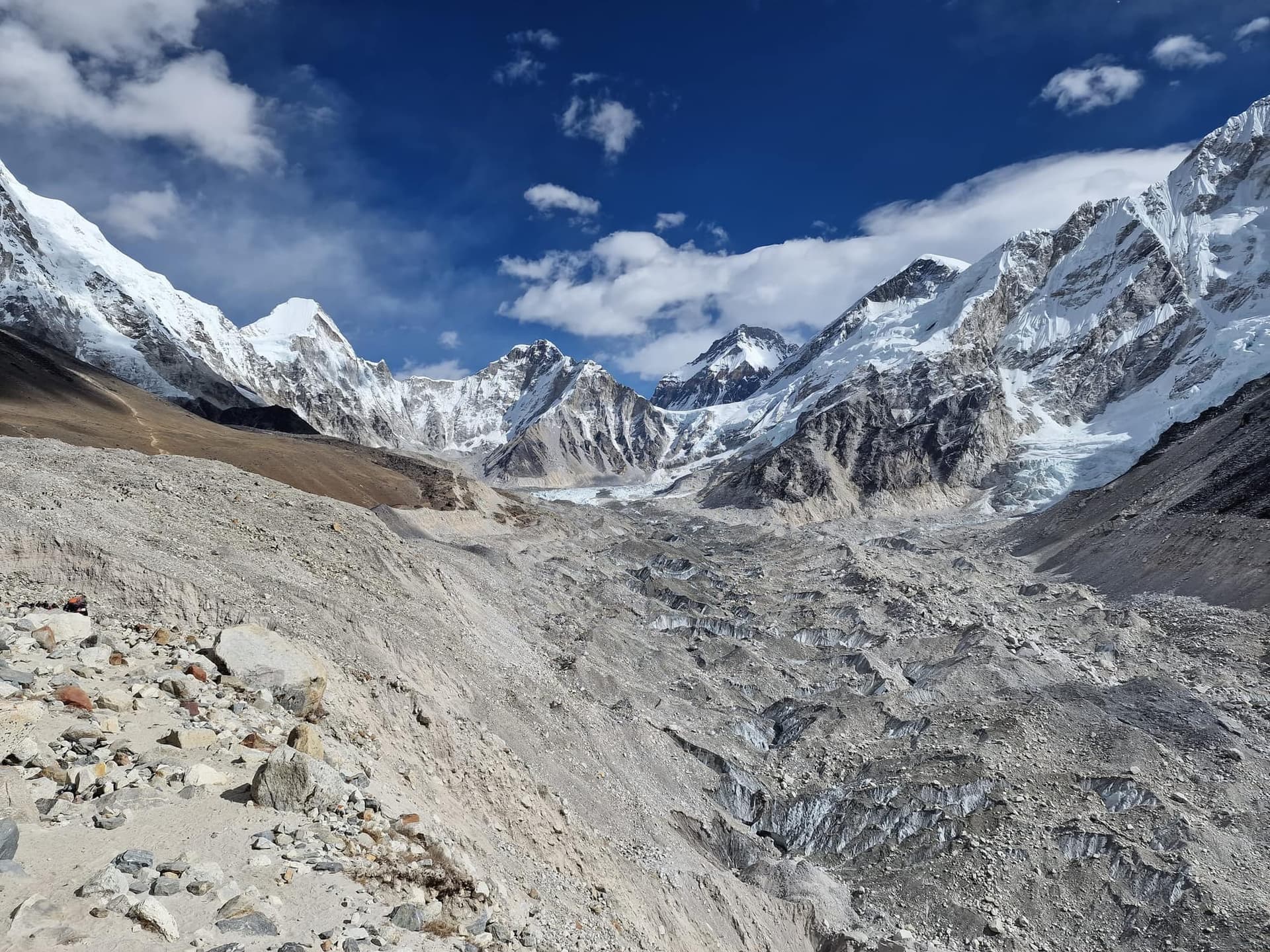
The most popular trekking season, and for good reason. After the monsoon clears in September, the air is clean, the skies are blue, and the mountains are at their most dramatic. October and November are the driest months with excellent visibility. Temperatures are moderate. The downside: popular trails like EBC and Annapurna are at their busiest.
Spring (March-May) — Second Best
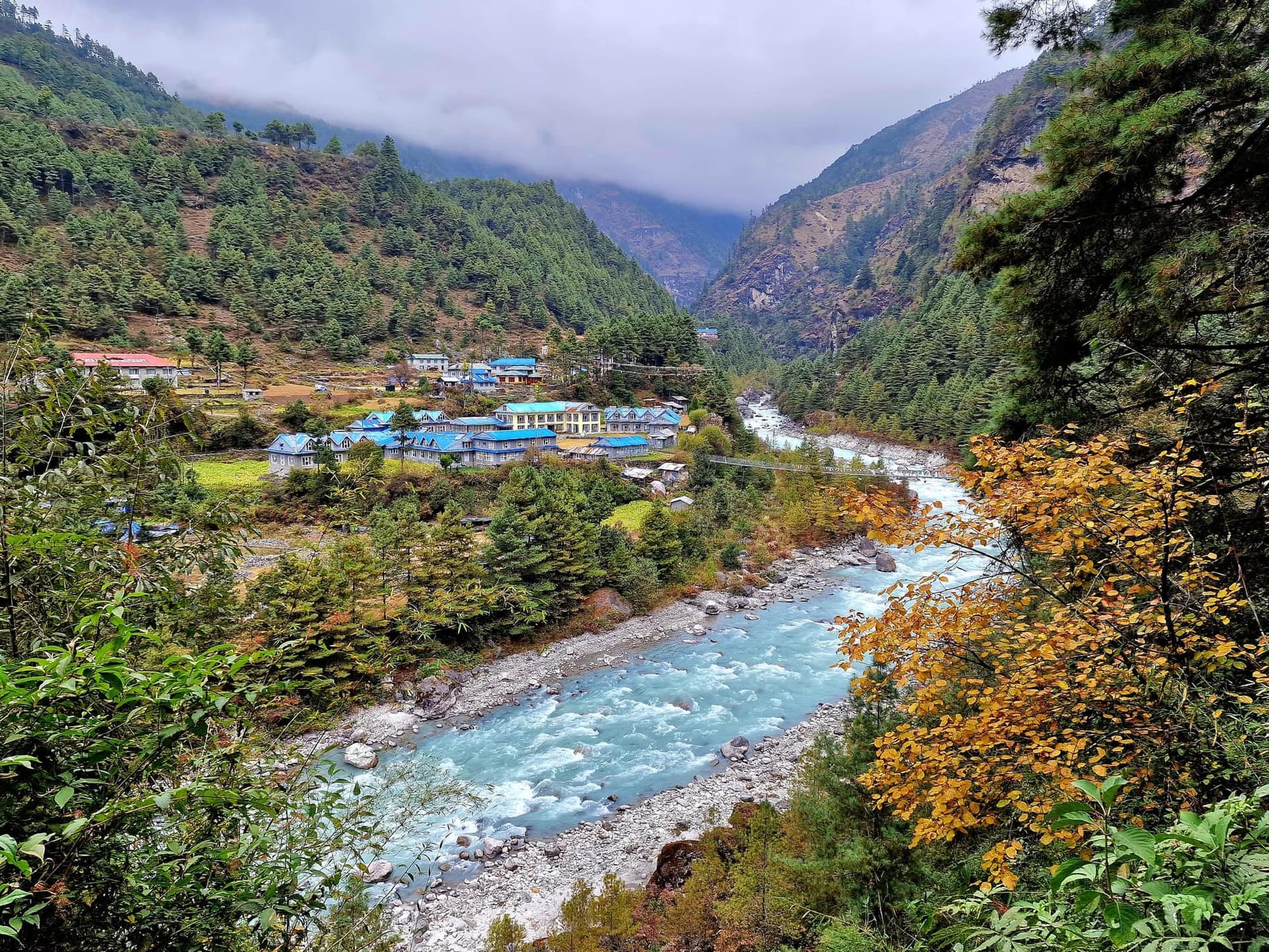
Spring brings warmer temperatures, blooming rhododendrons (March-April), and generally good weather. Visibility isn't quite as clear as autumn, with occasional afternoon clouds, but the warmer conditions and beautiful flowers make this many trekkers' preferred season. May gets warmer at lower elevations.
Winter (December-February) — For the Brave
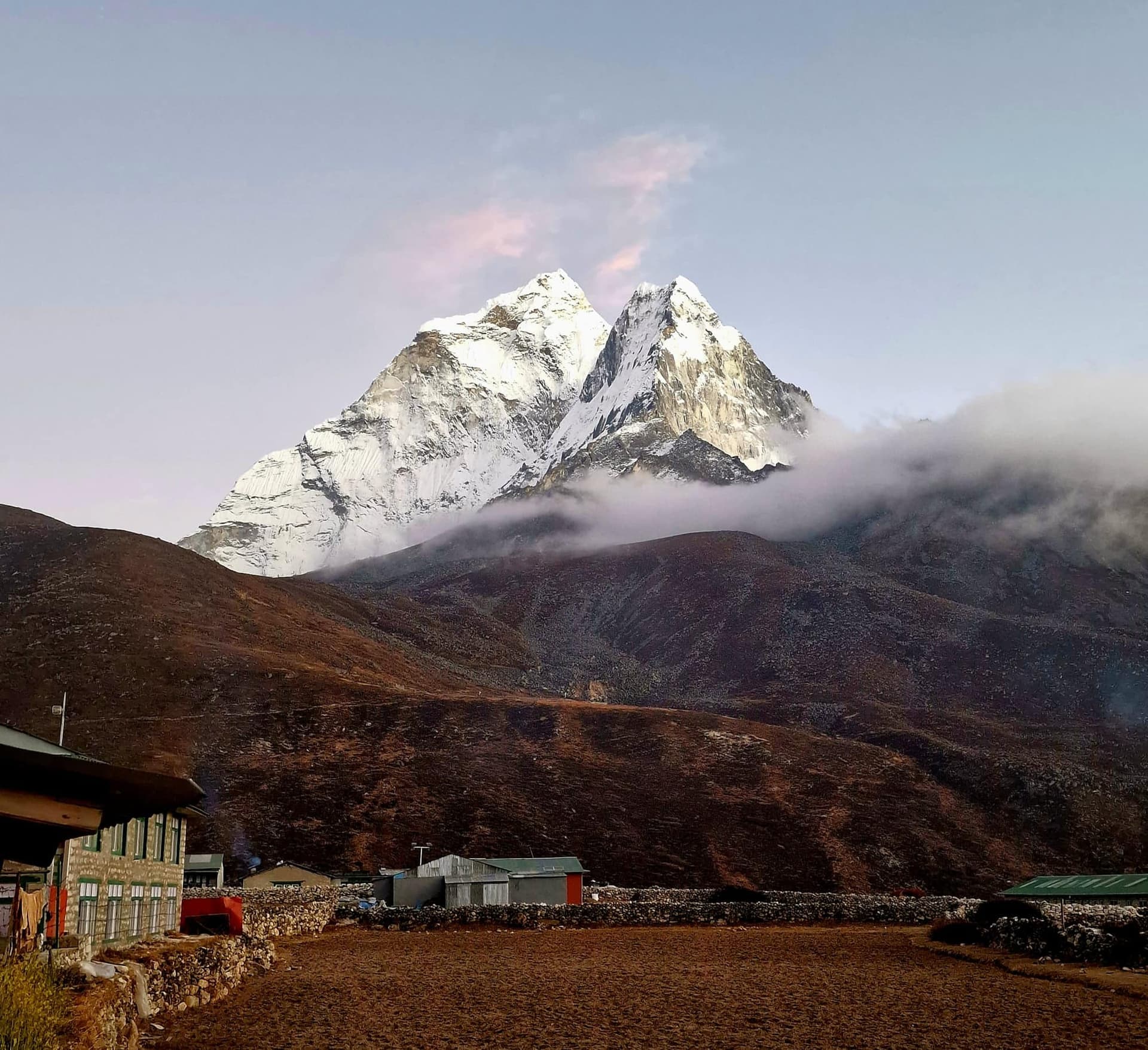
Cold but clear. Lower-altitude treks like Langtang and Annapurna Base Camp are excellent in winter with fewer crowds and crisp mountain views. Higher passes may be snow-blocked. Temperatures drop to -20°C at night above 4,000m. Not recommended for high-altitude treks.
Monsoon (June-August) — Off-Season
The rainy season brings daily afternoon downpours, leeches on the trails, and obscured mountain views. However, rain-shadow areas like Upper Mustang and Dolpo remain dry and make excellent monsoon trek destinations.
Our Recommendation
For EBC and Khumbu treks: October or April. For Annapurna: October-November or March-April. For Langtang: October-March. For peak climbing: April-May or October-November.