
I was trekking to Everest basecamp with a different company when I first met Kami. My roommate needed medical assistance during the night due to the language barriers with the tea house staff and the struggle to locate our own guides — Kami came to assist us after hearing my friend crying out in pain. He immediately took control of the situation using his knowledge of the area, the altitude and his training to help my friend, whilst also delegating to his own colleagues to ensure his own group was still looked after. Once he helped my friend to the helicopter that was taking her to the hospital I met Kami again at breakfast. Not forgetting his reason for being there, he checked in with his group but then checked in with me one last time. I was impressed with how he handled the whole situation, helping a stranger while still looking after his own group. His experience and professionalism was on another level! When I found out that Kami was starting his own trekking company, I had to write a review — I know I will be booking with Dare to Dream Adventures for my return trip.
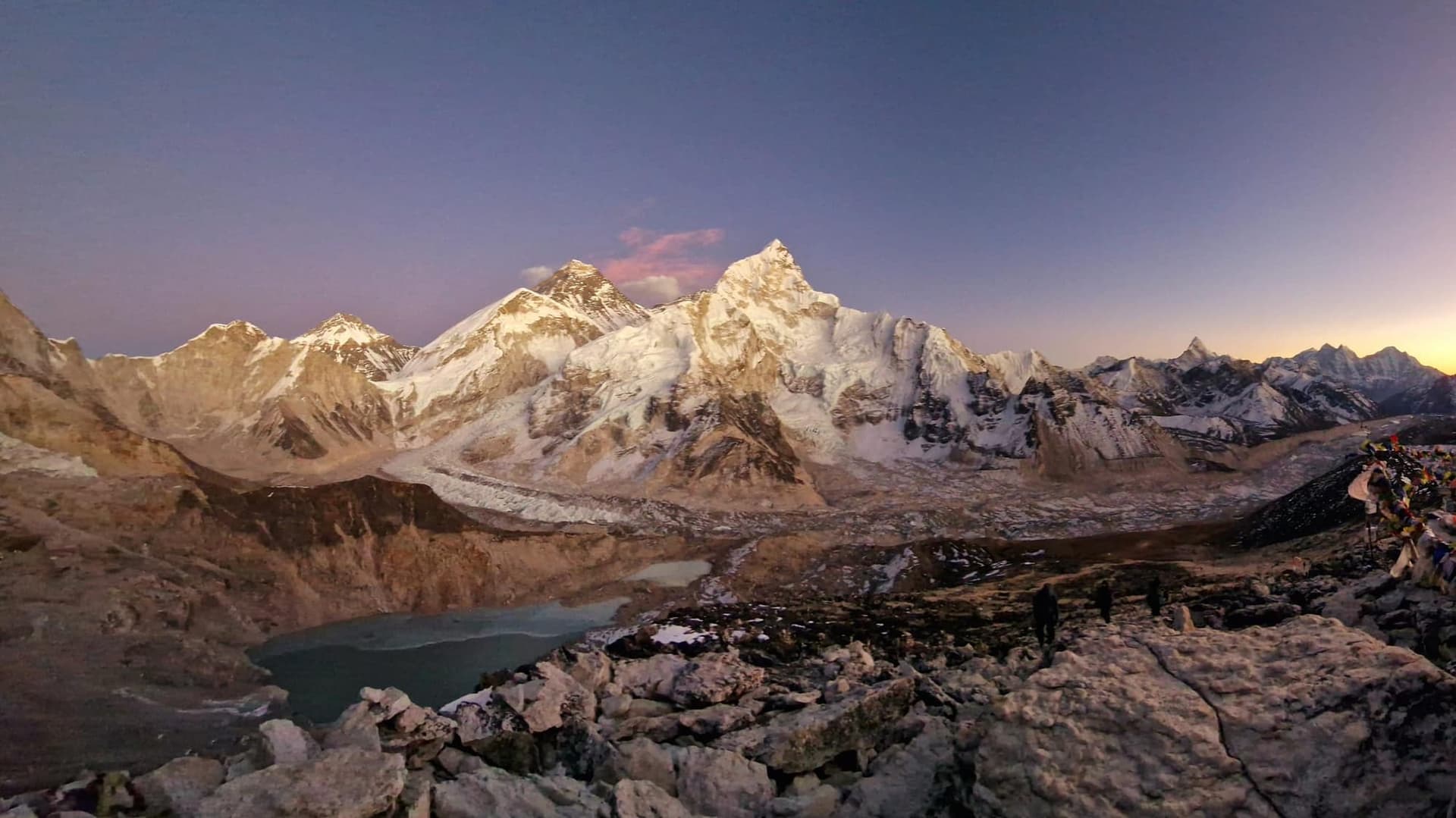
Everest Base Camp Classic Route
Welcome at Tribhuvan Airport. Transfer to hotel in Thamel. Evening briefing and gear check with your guide team. Welcome dinner at a traditional Nepali restaurant.
Difficulty Breakdown
Next Departures
Guide One
Two-time Everest summiteer with 15+ years guiding international trekkers through the Himalayas. NMA-certified, NTB-licensed, fluent in English, Nepali, and Sherpa.
Included in Price
- Experienced guides & porters
- All permits & park fees
- Accommodation & meals
- Airport transfers
- 24/7 emergency support
Real trekkers, real stories
I first met AK on my trip to EBC and Island Peak and can honestly say that he is an amazing and skilled person. We had such a great experience with him in Nepal that a friend flew him to Argentina to climb Aconcagua with us. There is no one I would rather be on a mountain with due to both his experience and wonderful personality. Probably don’t take swimming lessons from him 😊
I am writing to give a positive 5/5 star review for Ang Kami and his expedition knowledge and experience. I travelled to Everest Base Camp and Island Peak with Kami and he made everything seem easy. From the moment we met he was positive and friendly and was always happy to help with whatever I needed. The entire trip was almost 3 weeks and at no time did I feel like he wasn’t supporting me or my trip and when times got tough on the mountain he made us smile and laugh. I enjoyed every minute of the trip and now consider Kami a good friend.
Frequently Asked Questions
You should be able to walk 5-7 hours per day on uneven terrain. Regular cardio training (hiking, running, cycling) for 2-3 months before the trek is recommended. No technical climbing skills are needed.